

Kaunas modernism architecture inscribed on the UNESCO World Heritage List
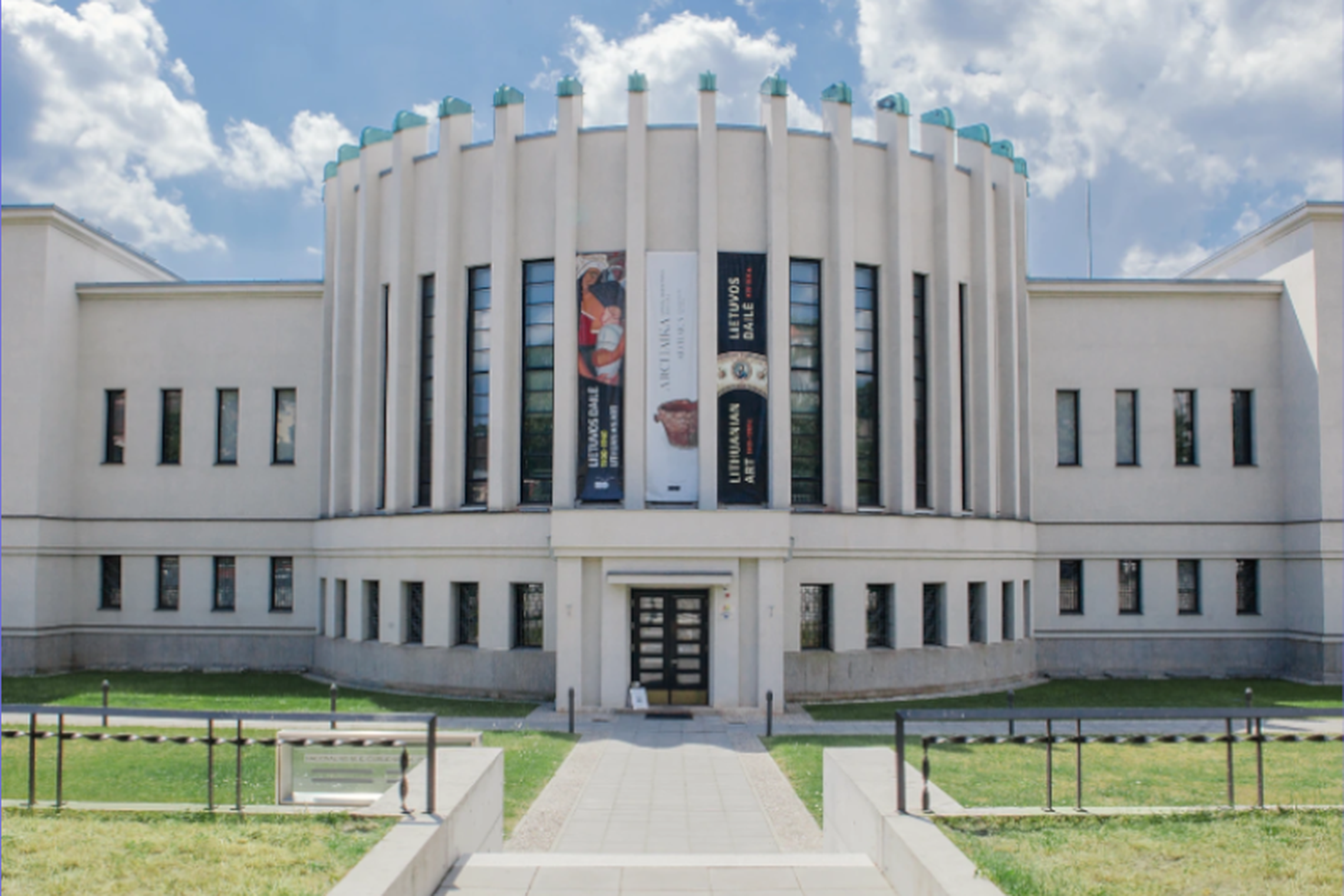
Kaunas modernism architecture has been inscribed on the UNESCO World Heritage List. This decision was taken on the 18th of September, during the 45th session of the UNESCO World Heritage Committee held in Riyadh, Saudi Arabia. Within one year and a half, Lithuania will have to implement the recommendations of experts and submit a report to the World Heritage Centre on their implementation.
‘We are very pleased with this news. Undoubtedly, it is a great merit of the expert group who prepared the application professionally and communicated it properly, as well as the joy of the entire heritage community. The decision will contribute to the preservation of interwar modernism architecture in Kaunas - it is both a significant recognition and honour, and at the same time, it is also a great responsibility and new work for all of us: for the municipality, state institutions, architects, and residents of Kaunas’, said Vidmantas Bezaras, Director of the Department of Cultural Heritage. This news will attract the attention of foreign specialists and tourists, however, it will also require a greater degree of responsibility from all of us in safeguarding our city's heritage, which is now of global importance and unique in the world. There is also another challenging task ahead - the preparation of a management plan for Kaunas Naujamiestis (New Town), where cooperation between the Department of Cultural Heritage and the Kaunas municipality will be of vital importance.
After the First World War, when the Polish army occupied Vilnius and the eastern part of the country, Kaunas became the temporary capital and the most important city of Lithuania. Kaunas became a modern symbol of a free Lithuania. The following favourable circumstances were also conducive to this: society was ready for changes, the city needed buildings for various purposes, and talented, skilled architects who had studied abroad and who returned to Lithuania with fresh ideas and were able to design them.
In creating a new capital, architects of the young state seamlessly integrated into the European context - seeking to make the city no worse than other capitals on the continent, to construct functional, bright, comfortable residential neighbourhoods and individual buildings.
Particularly memorable are the Church of the Resurrection (1933-1940, architect Karolis Reisonas), the Military Officers’ Club (1931-1937, (1931-1937, architects Stasys Kudokas, Elmar Lohk, Herbert Johanson, Vladimiras Dubeneckis, Jonas Kriščiukaitis, Kazys Kriščiukaitis, Mykolas Songaila, Jonas Kova-Kovalskis), the buildings of the Vytautas the Great War Museum and the Cultural Museum (now the National M.K. Čiurlionis Art Museum) (1929-1936, architects Vladimiras Dubeneckis, Karolis Reisonas, Kazimieras Kriščiukaitis), the building of the Central Post Office (1931, architect Feliksas Vizbaras), the building of the former Pienocentras (1931-1934, architect Vytautas Landsbergis-Žemkalnis).
This transformation of Kaunas into a European city left an indelible imprint on the subsequent development of the Lithuanian state: it determined the country's desire to fight for freedom, to break free from the Soviet occupation, and shaped the mental identity and physical appearance of the city. Over 20 years, a rich interwar architecture was formed in Kaunas, its dense concentration in the city being a unique phenomenon throughout Europe, reflecting both the Bauhaus style tendencies of the time and the exceptional stylistic elements of national and Lithuanian identity, the international context of modernism, distinguishing modern and high-quality interwar architecture of Kaunas from the general European context. The influence of the Modernism architecture school was felt even during the Soviet era, although the majority of pre-war creators left the country at the end of the war.
Kaunas interwar architecture is the fifth Lithuanian object on the UNESCO list. The UNESCO World Heritage List includes cultural and natural heritage sites and locations of outstanding universal value. So far, four objects in Lithuania have been included in this list: the historic centre of Vilnius, the archaeological site of Kernavė, the Curonian Spit, and the Struve Geodetic Arc points.